
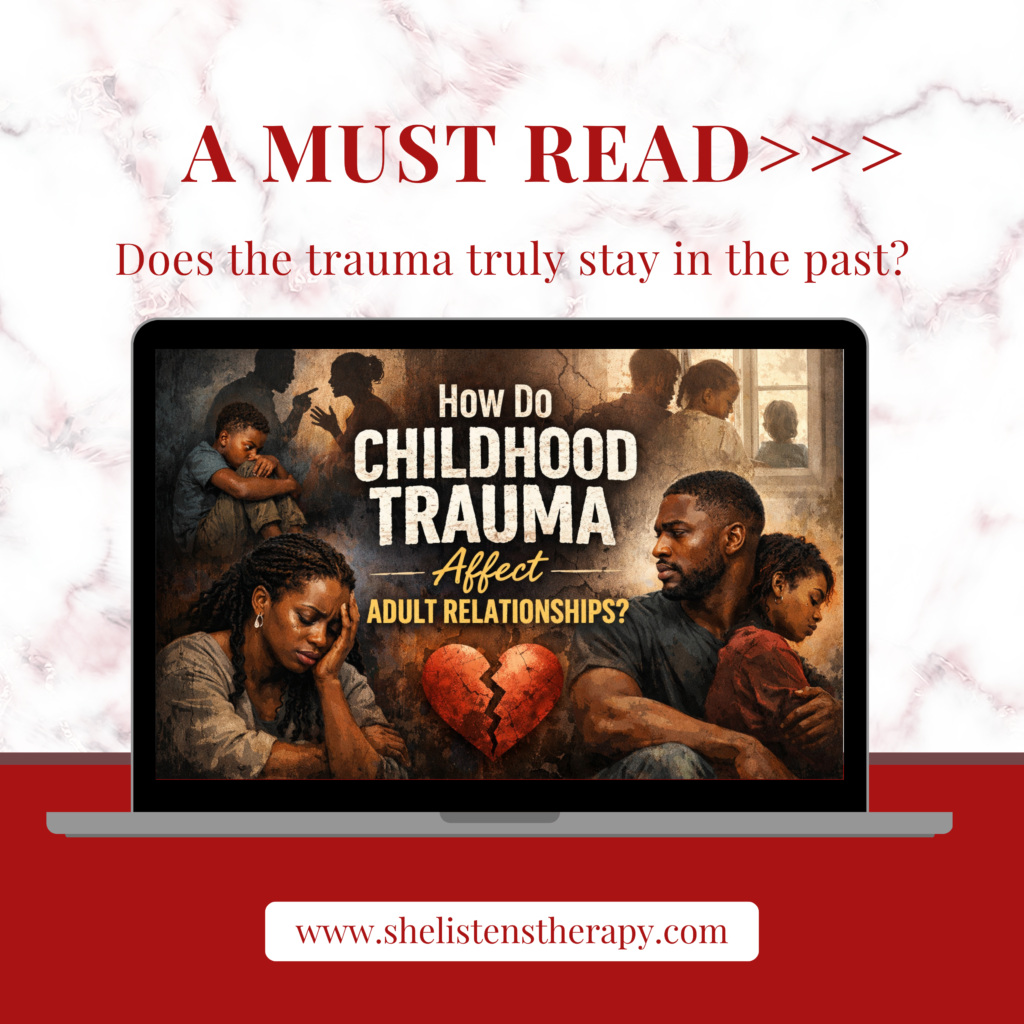
Many people believe trauma is something that should be left behind. Time passes, life moves on, and people often say things like “that happened a long time ago” or “you should be over it by now.” But the truth is, trauma does not always stay where it happened. Even when the event is over, the impact can quietly follow a person into the present.
Trauma is not only about what happened to you. It is about what your mind and heart had to carry afterward. And sometimes that weight shows up in ways people do not immediately recognize.
1. Trauma often lives in emotional reactions
A person may think they have moved on, but certain situations can trigger intense reactions that feel bigger than the moment itself. A simple disagreement might feel overwhelming. A small disappointment might feel like deep rejection.
This happens because the mind remembers pain long after the event has passed. Trauma teaches the brain to stay alert, always looking for danger, even when the present moment is safe.
2. Trauma can shape how people see relationships
When someone has been deeply hurt before, it can affect how they approach love, trust, and closeness. Some people become overly cautious, always expecting betrayal. Others become emotionally distant, protecting themselves from possible pain.
It is not because they do not want connection. It is because part of them is still trying to protect their heart from what happened before.
3. Trauma can influence self worth
One of the quiet effects of trauma is how it shapes the way a person sees themselves. Someone who has experienced emotional neglect, rejection, or abuse may carry hidden beliefs like “I am not enough” or “I am difficult to love.”
These beliefs may not always be spoken out loud, but they often guide how a person behaves in relationships, friendships, and even in their personal goals.
4. Trauma can appear in everyday habits
Sometimes trauma does not appear as obvious emotional pain. Instead, it shows up in habits. A person may overwork, avoid deep conversations, struggle with trust, or constantly try to please others.
These patterns are often ways the mind learned to cope. They once helped a person survive difficult moments, even though they may no longer be helpful today.
5. Trauma does not disappear simply because time passes
Time can help soften pain, but healing requires more than time alone. Trauma often needs understanding, reflection, and sometimes support from others. Without healing, old wounds may continue to influence present choices and reactions.
Healing does not mean pretending the past never happened. It means learning how to carry the past without letting it control the future.
6. Healing allows trauma to lose its power
The good news is that trauma does not have to define a person forever. With awareness, compassion, and support, people can begin to understand their wounds and slowly rebuild their sense of safety.
Healing is not about erasing the past. It is about reclaiming the present. Over time, the story changes from “this is what broke me” to “this is something I survived.”
Final thoughts
Trauma does not always stay in the past, but healing allows it to lose its hold on the present. Many people carry invisible scars, and those scars often influence how they think, feel, and relate to others.
Understanding trauma is not about blaming the past. It is about offering yourself the patience and care needed to heal.
When people begin to understand their wounds with compassion instead of shame, they take the first step toward freedom.