
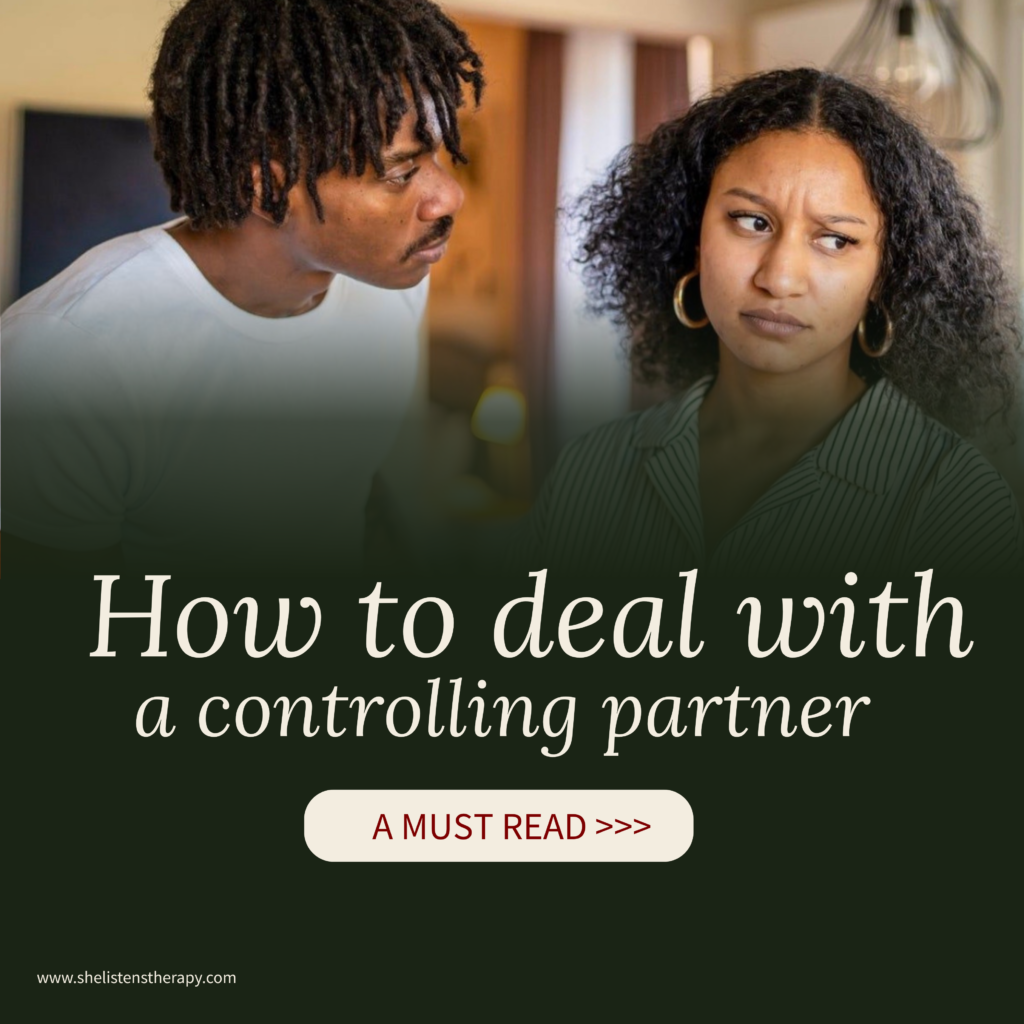
Love should not require you to become smaller.
Yet in a controlling relationship, you may find yourself changing what you wear, who you see, what you say or how you spend money to avoid upsetting your partner. Perhaps you have started checking your phone before replying to a friend, rehearsing ordinary conversations or apologising just to keep the peace. You might feel watched, criticised or gradually cut off from parts of your life that once felt like yours.
If any of this feels familiar, you are not being dramatic. And you do not have to find the perfect words to prove that something is wrong. Feeling afraid, pressured or unable to make everyday choices freely is reason enough to take your feelings seriously.
Control can be obvious, such as threats or demands. It can also be quiet and gradual: repeated criticism, monitoring, guilt, financial restrictions or pressure disguised as concern. One disagreement does not tell the whole story. What matters is the pattern, its impact on you and whether you are free to say no without fear of punishment.
Here are six steps to help you think through what is happening and what support might help.
1. Notice the pattern, including how it makes you feel
Controlling behaviour is not always easy to name while you are living with it. It may begin with a partner wanting to know where you are, then become an expectation that you share your location, answer immediately or explain every conversation. They may criticise your friends, question your decisions or make you feel guilty for spending time apart.
Pay attention to the effect on you. Do you feel tense before raising ordinary topics? Have you stopped seeing people or doing things because the fallout feels too difficult? Do you feel you need permission to make choices that used to be yours?
You might find it helpful to write down specific incidents and how you felt afterwards. Keep notes somewhere private and safe, only if doing so would not put you at risk. You do not need to use a particular label before your experience deserves care and attention.
2. Remember that you are allowed to have boundaries
A boundary is a statement about what you will do to protect your wellbeing. It is not a way to control another person, and it does not depend on your partner agreeing that your needs are reasonable.
For example: “I’m going to spend time with my friend this evening. I’ll talk with you tomorrow.” Or: “I’m not comfortable sharing my passwords.” A boundary can also be private: deciding what you will no longer explain, what conversations you will leave, or what support you will seek.
In a respectful relationship, boundaries can lead to honest discussion and adjustment. In a controlling relationship, setting one may bring more pressure, anger, threats or punishment. If you think a direct conversation could make things less safe, you do not have to confront your partner. Consider talking with someone you trust or a specialist support service first.
3. Reconnect with people and parts of yourself
Isolation can make a difficult relationship feel impossible to question. A trusted friend, family member, counsellor or support worker can help you feel less alone and think more clearly.
You might start with one person who tends to listen without pushing you. You could say, “I’ve been feeling controlled in my relationship, and I need someone to hear me. Can we talk privately?” If your partner monitors your phone or accounts, choose a safer way to make contact if you can, such as speaking in person or using a device they cannot access.
Reconnect in small ways with activities, routines and interests that matter to you. The aim is not to prove anything to your partner. It is to remind yourself that your preferences, relationships and sense of self still matter.
4. Think about safety before making a big move
You do not have to decide today whether to stay or leave. If you are worried about your partner’s reaction, take time to consider what would help you stay safer. A specialist domestic abuse service can help you make a plan that fits your circumstances. Seeking advice does not commit you to ending the relationship or taking any particular action.
Depending on what feels safe, a plan might include identifying someone you can contact, thinking about where you could go in an emergency, or keeping essential documents and medication accessible. If you share a home, finances, children or caring responsibilities, specialist advice can help you think through the practical details.
If your partner checks your devices, be cautious about searches, messages or saved notes. Use a safer device if available, and remember that abruptly changing passwords or deleting history may be noticed. A support service can help you consider digital safety as part of a wider plan.
5. Look for sustained accountability, not just promises
Some people promise to change after a painful incident. What matters is what happens over time. Does your partner acknowledge the behaviour without blaming you? Do they respect your boundaries when they are disappointed? Do they accept that you have the right to privacy, friendships and independent choices?
Change is not demonstrated by apologies alone, affection after an argument or a short period of improvement. It takes consistent responsibility and changed behaviour. You are not responsible for managing your partner’s choices, teaching them not to control you or staying while they decide whether to change.
If control is part of a pattern of intimidation, threats or abuse, individual specialist support can help you consider your options. Couples counselling may not be appropriate where one person is afraid of the other or unable to speak freely. A domestic abuse service can help you think about what kind of support is safest for your situation.
6. Choose your next step at your own pace
There is no single right decision for everyone. You may want to seek confidential advice, speak with a counsellor, make a safety plan, spend time apart or consider ending the relationship. You are allowed to take one step at a time.
Leaving can be emotionally and practically complicated, and separation can sometimes increase risk. If you are concerned about how your partner might react, get specialist advice before telling them or making changes they may notice. If you are in immediate danger, contact emergency services where you are.
A support service can help you understand your options without deciding for you. You deserve support whether you are certain about what to do, still weighing things up or simply ready to tell someone what has been happening.
Final thoughts
A controlling relationship can make you question your memory, your judgement and even your right to want something different. But needing privacy, friendships, independence and respect does not make you selfish. Those are ordinary parts of being a person.
You do not need to wait until things become unbearable to ask for help. Start with what feels possible and safe: naming the pattern to yourself, telling one trusted person or contacting a specialist service for confidential advice. Your next step does not have to answer every question about your future. It only has to help you feel a little less alone and a little more supported.